
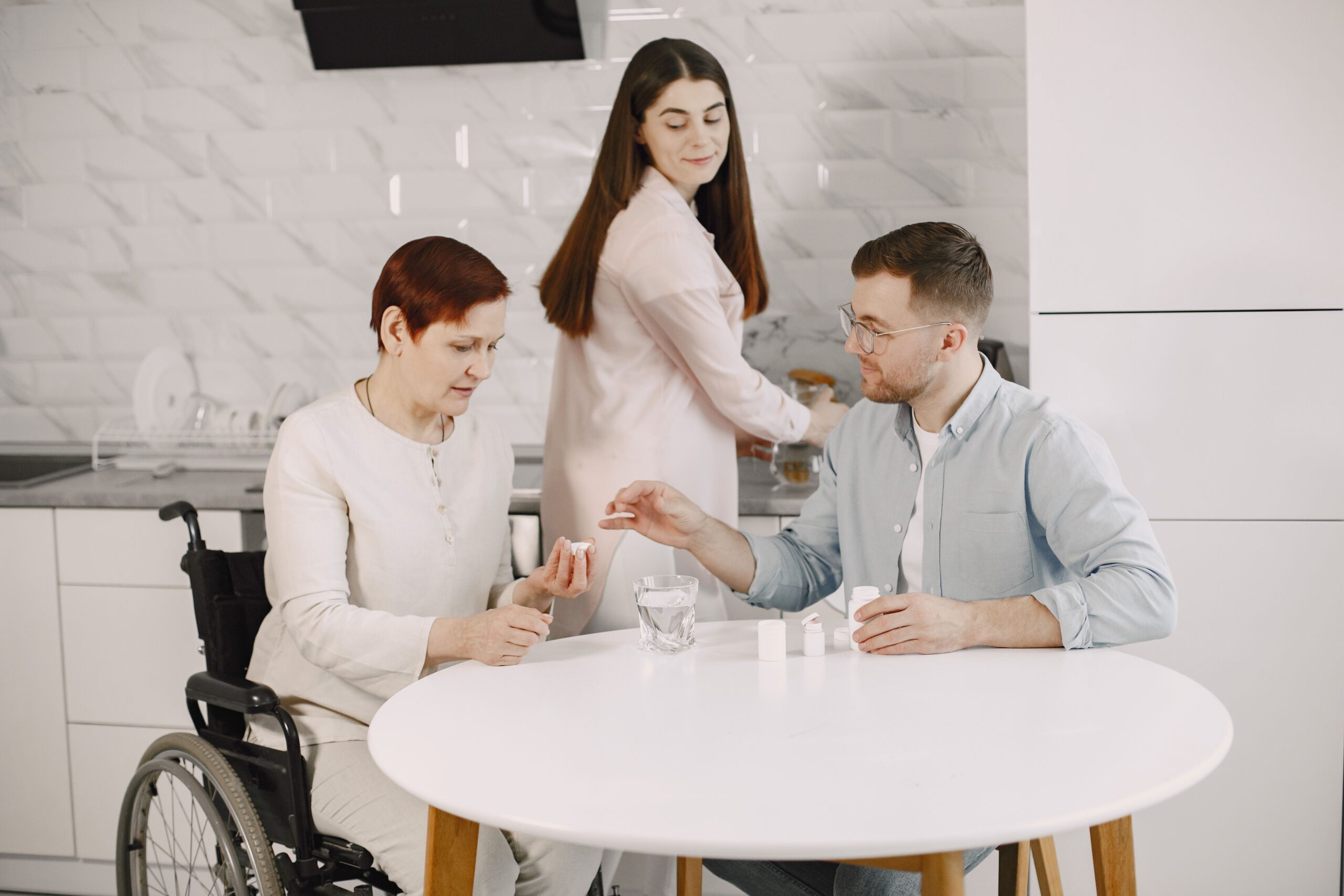
Bringing your loved one home from the hospital is a big deal. It can filled with so many emotions. The first 72 hours are often the most important. During this time, your loved one is getting used to being home, and you are learning how to care for them.
The good news is that a little planning can go a long way. By staying organized and paying close attention, you can help your loved one recover safely and comfortably.
Expect a Few Challenges
It’s normal for your loved one to feel tired after leaving the hospital. They may sleep more than usual, have less energy, or feel sore and weak. Simple tasks may suddenly feel difficult.
You may find yourself helping with everyday activities like:
- Getting dressed
- Preparing meals
- Taking medications
- Walking safely
- Getting in and out of bed or a chair
Try not to do everything at once. Recovery takes time, and everyone heals at their own pace.
Stay on Top of Medications
Taking medications the right way is one of the most important parts of recovery.
Create a medication schedule that includes:
- The name of each medicine
- What it is for
- How much to take
- When to take it
A pill organizer and phone reminders can make it easier to stay on track.
If your loved one has side effects such as dizziness, nausea, confusion, or a rash, call the doctor. Never stop or change a medication unless a healthcare provider tells you to.
Watch for Changes
Keep a close eye on how your loved one is feeling. Some discomfort is expected, but new or worsening symptoms may be a sign that something isn’t right.
Call the doctor if your loved one has:
- A fever
- Pain that gets worse instead of better
- Redness, swelling, or drainage from a wound
- Trouble eating or drinking
- New swelling in the legs or feet
- Side effects from medication
Write down any new symptoms so you can share them with the healthcare team.
Help Prevent Falls
Many people feel weak or unsteady after a hospital stay. Even a simple fall can lead to another hospital visit.
Help make your home safer by:
- Removing loose rugs and clutter
- Keeping walkways clear
- Turning on lights at night
- Encouraging non-slip shoes
- Using a walker or cane if recommended
- Staying close by when your loved one needs help walking
A few small changes can make a big difference.
Encourage Rest and Healthy Habits
Your loved one needs plenty of rest to heal. At the same time, eating healthy foods and drinking enough fluids can help speed recovery.
You can help by:
- Encouraging short naps when needed
- Following the doctor’s activity instructions
- Offering water throughout the day
- Serving healthy meals and snacks
If the healthcare team has given special diet or fluid instructions, be sure to follow them.
Know When to Call the Doctor
Some problems don’t require an emergency room visit, but they do need medical attention.
Before leaving the hospital, ask the healthcare team when you should call the doctor.
Call if your loved one has:
- A fever
- New or worsening pain
- Trouble taking medications
- Vomiting or diarrhea that won’t stop
- A wound that looks infected
- Questions or concerns about recovery
The healthcare team can often help you decide what to do next.
Know When to Call 911
Some symptoms are medical emergencies and need immediate care.
Review the hospital discharge instructions, as they often include emergency warning signs.
Call 911 right away if your loved one has:
- Chest pain
- Trouble breathing
- Sudden confusion or is difficult to wake
- A seizure
- Sudden weakness or numbness on one side of the body
- Trouble speaking or understanding speech
- Heavy bleeding that won’t stop
- Faints or loses consciousness
- Any other life-threatening emergency
If you’re unsure whether it’s an emergency, it’s safest to call 911.
Final Thoughts
The first 72 hours at home are an important part of recovery. While there may be a few challenges, your care and support can make a big difference.
Stay organized, follow the discharge instructions, and pay attention to any changes in your loved one’s condition.
Most importantly, remember that you don’t have to do this alone. If you have questions or concerns, contact your loved one’s healthcare team. They are there to support both you and your loved one.
A calm, prepared caregiver can help make those first few days at home safer, smoother, and more comfortable for everyone.
If you need additional support, make sure you follow us on Pintrest and Youtube to stay connected to your #caregivercommunity