
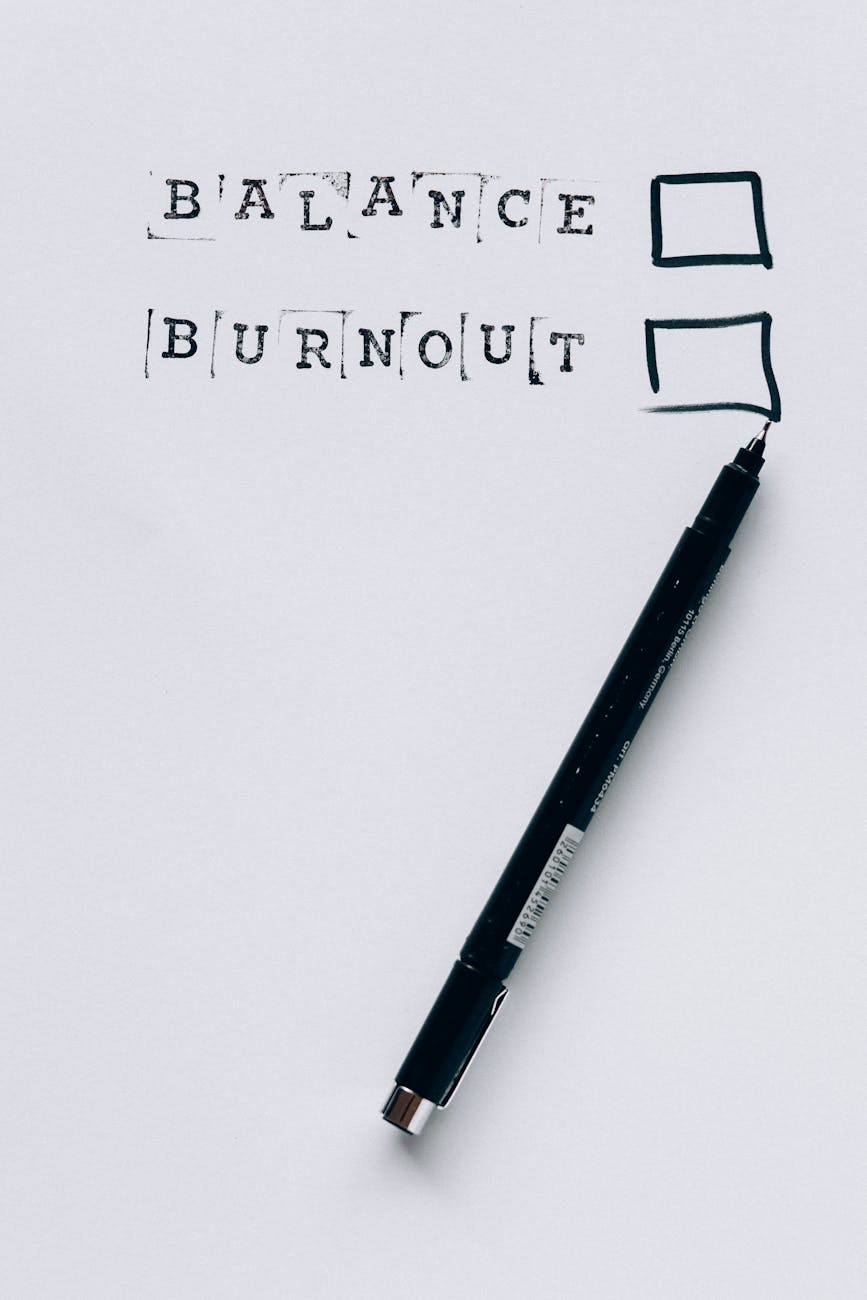
Let’s talk about something most of us know a little too well: stress.
Not the quick kind you feel when you’re running late for a meeting or forgot to reply to that text. We’re talking about the lingering, day-after-day, can’t-catch-your-breath kind of stress. The one that quietly weaves itself into your routines, thoughts, and even your sleep. That stress doesn’t just make you feel overwhelmed—it can literally rewire your nervous system.
So… What Actually Happens to Your Body Under Stress?
Imagine your nervous system is like the control center of a spaceship. When you’re calm, everything operates smoothly—lights flicker at just the right brightness, engines purr quietly, and the crew is relaxed.
But then—stress hits.
That control center gets an alert. The sympathetic nervous system (your “fight or flight” mode) takes over. It floods your body with adrenaline and cortisol, elevates your heart rate, sharpens your senses, and sends blood away from things like digestion and reproduction toward muscles and the brain.
It’s a brilliant design for short-term survival.
But here’s the kicker: Your body can’t tell the difference between a deadline and a life-or-death emergency. So when stress sticks around—weeks, months, years—it keeps pulling the same alarm over and over again.
Chronic Stress = Chronic Activation
When stress becomes chronic, your nervous system begins to live in overdrive. You’re not just feeling anxious—your brain and body are actually stuck in a loop of heightened alertness.
Over time, this can lead to:
- Dysregulated cortisol rhythms (making you feel wired at night and exhausted in the morning)
- Weakened immune response (hello, constant colds)
- Digestive issues (thanks to slowed gut function)
- Memory and concentration problems (your brain’s prefrontal cortex gets hijacked)
- Mood disorders like anxiety and depression
And perhaps most troubling: the longer your nervous system stays in this stress-response mode, the more it begins to normalize that state. It becomes your default setting.
Why Does This Happen?
Your nervous system is designed to be adaptable. That’s what makes it so powerful—and so vulnerable.
When it perceives constant threat (even if the threat is just an inbox full of unread emails), it starts to reshape itself around that environment. Neural pathways that support fear, vigilance, and stress become stronger. Meanwhile, those that support calm, curiosity, and rest begin to weaken.
It’s like training a muscle: what you use most becomes strongest.
The Good News: You Can Train Your Nervous System to Chill
Here’s the hopeful part—you can reverse this. Your nervous system is also incredibly resilient. With the right tools and consistency, it can learn to feel safe again.
Try these gentle, science-backed practices:
- Breathwork
- Even just a few minutes of slow, deep breathing signals safety to the brain. Try 4-7-8 breathing or a simple 5-second inhale/5-second exhale pattern.
- Daily Movement
- This doesn’t have to mean CrossFit. A 20-minute walk, yoga, or dancing around your kitchen can help discharge stress and recalibrate your system.
- Nervous System Regulation Tools
- Somatic practices like grounding, vagus nerve stimulation (humming, cold exposure), or body scans help your body feel safe—not just think it’s safe.
- Create Space
- Unplug from information overload. Even 10 minutes of silence or nature time daily can do wonders for your stress levels.
- Safe Connection
Talk to someone. Co-regulation (calming your nervous system with another person’s presence) is deeply wired into us. Hugs help too.
Bottom Line: Your Body’s Not Broken—It’s Trying to Protect You
That wired-and-tired feeling isn’t a personal failure. It’s your nervous system doing its job a little too well. But you’re not stuck here. Try our Digital Workbook: 30 Days to Peace or Journal: From Calm to Chaos A 7-Day Reset if you are ready to work on resetting. It’s a way to start small and be gentle with yourself.
And remember: every time you choose rest, connection, or stillness, you’re teaching your body that it’s safe again.
With Love,
Alicia